Building a TikTok audience to 250K followers
Summary
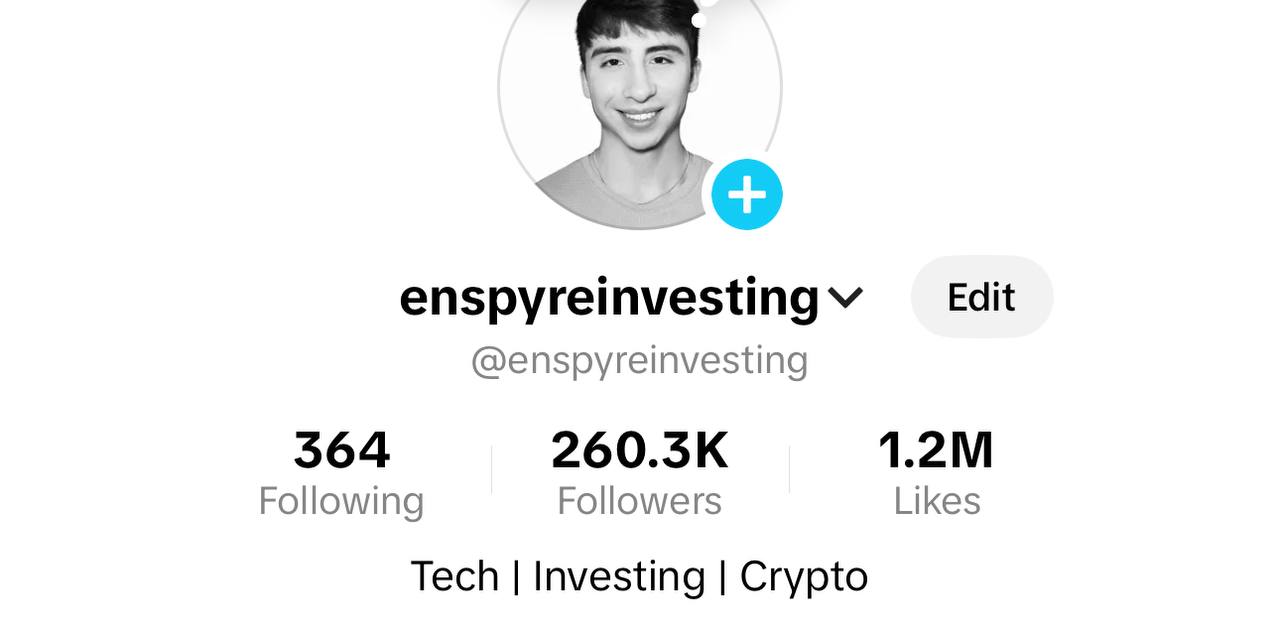
Before I started leading marketing teams, I built a TikTok account from scratch to more than 250K followers. My niche was educational content about investing, tech, and crypto, but the bigger education was mine: I learned how to earn attention, hold it, and build an audience one post at a time. I chose the topics, wrote the scripts, filmed, edited, published, and learned from what people actually watched.
- My first viral breakthrough came from an educational series that gave viewers a reason to follow for part two
- I learned to balance discovery posts that reached new people with steady educational posts that kept existing followers engaged
Learning what makes someone stop scrolling
TikTok tells you very quickly when an opening is not working. If I spent too long setting up the topic, people left. Over time, I got better at starting with the part that was actually interesting, usually a surprising fact, a clear promise, or a reason the viewer should care.
The hook was only the beginning. Since most of my videos taught something, I still had to explain the idea clearly enough that watching felt worthwhile. Learning to balance curiosity with a real payoff became one of the most useful skills I took from the channel.
I also learned how much the small production choices matter. I eventually invested in a better camera and microphone, which helped, but the bigger improvement came from starting immediately, cutting dead space, and moving through the explanation at the pace people expected on TikTok.
The first format that really took off
My first viral moment came from an educational series. The first video introduced a subject and promised a second part, so people followed and engaged because they wanted the next lesson.
That was when I understood how useful a recurring format could be. The video gave people a reason to follow instead of hoping the algorithm would happen to show them my next post. It also made planning easier because one idea could develop over several videos.
Not every video needs to go viral
A small number of videos were responsible for most of the account's growth. They tended to cover broader topics, open with a stronger hook, and make the value of following the account obvious to someone who had never seen me before.
Plenty of other videos reached only a few thousand people. My existing followers still liked them because they answered a useful question or covered something they cared about. Those videos were doing a quieter job: keeping the account useful and giving people more reasons to trust me over time.
Eventually, I stopped judging every post by the same standard. Some videos were made to reach new people, while others were made for the audience I already had. A channel built only around chasing the next viral hit would have been much harder to trust and much less interesting to follow.
Why I kept showing up
Posting regularly gave people more chances to recognize me and understand what the account was for. Someone might see one video, scroll past the next, and finally follow after seeing me a fourth or fifth time. It felt similar to how people often need several interactions with a product before they decide it is worth paying attention to.
Regular output also gave me more chances to learn and more chances for a video to break out. I could never predict exactly which one would travel, but I could keep getting better at the topics, hooks, pacing, and formats while continuing to give the existing audience something useful.
What I carried into marketing
I ran every part of the account myself, from choosing topics and writing scripts through filming, editing, publishing, and reviewing the response. Doing the work gave me a practical feel for what makes short-form content good, how long it takes to produce, and which feedback is actually worth using.
Enspyre is earlier than the company work elsewhere in this portfolio, but it still shapes how I lead social and creative work. I know what the process feels like from the inside, which helps me set a realistic standard and give more useful feedback to the people responsible for it.